
Case Study: Successful Land Clearing Project in Linn County

Introduction to the Project
In the heart of the Pacific Northwest, Linn County is known for its lush landscapes and dense forests. When a local developer decided to transform a section of this verdant area into a community park, they faced the daunting task of land clearing. This case study explores how a strategic approach led to a successful project, balancing development needs with environmental considerations.
Understanding the Challenges
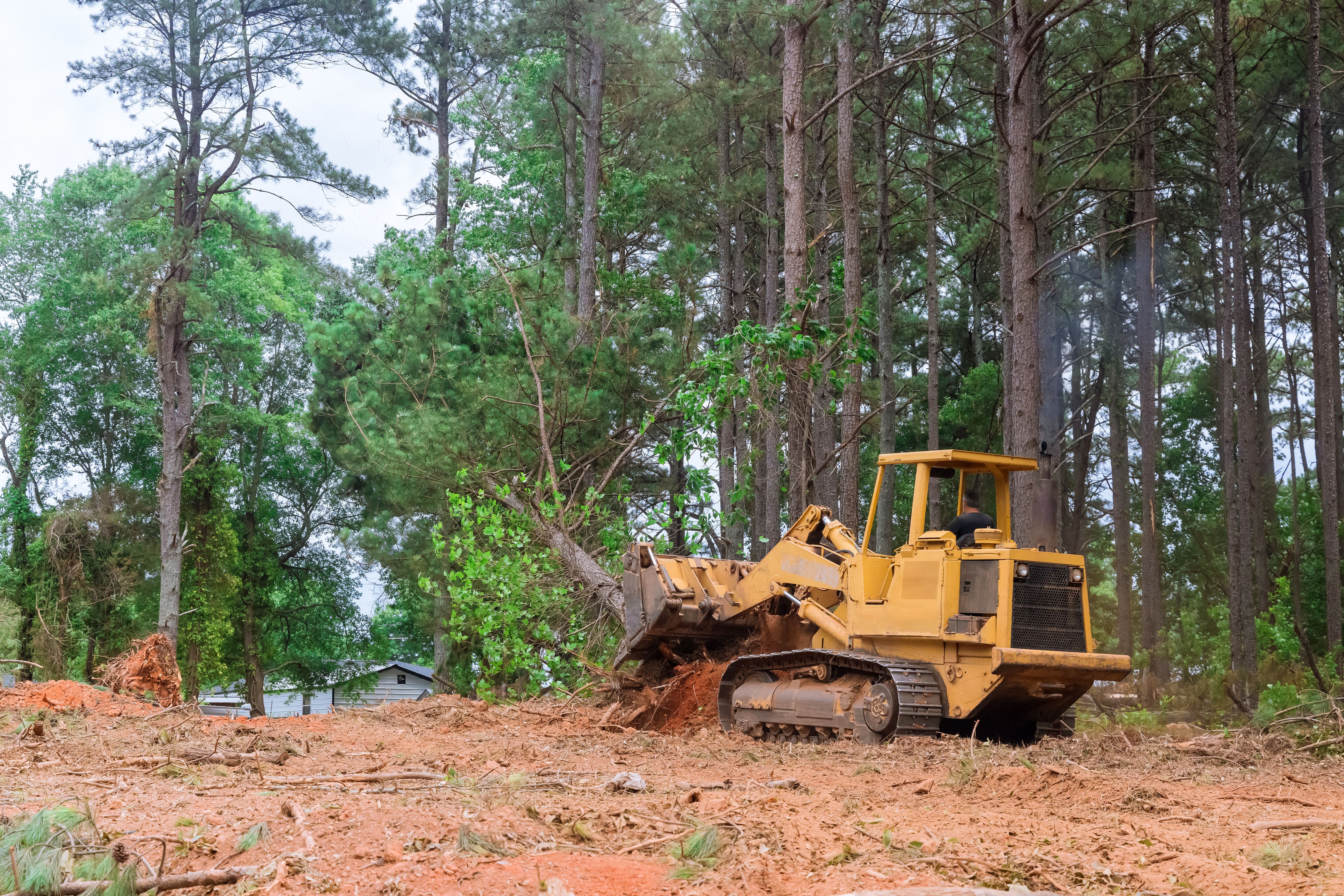
Linn County's terrain presents unique challenges for land clearing. The area is characterized by thick underbrush and mature trees, making it essential to employ specialized techniques that minimize environmental impact. Additionally, preserving local wildlife habitats was a key concern for both the developers and the community.
To address these challenges, the project team conducted a thorough environmental impact assessment. This assessment helped identify critical areas for preservation and informed the development of a comprehensive clearing plan.
Strategic Planning and Execution
The project team adopted a phased clearing approach, allowing them to carefully manage the ecosystem. This strategy involved:
- Selective tree removal to maintain ecological balance
- Implementing erosion control measures
- Utilizing low-impact machinery to reduce soil disturbance

Innovative Techniques for Land Clearing
One of the standout aspects of this project was the use of cutting-edge technology. The team employed GPS-guided equipment to enhance precision and efficiency. This technology not only reduced the risk of human error but also optimized the use of resources.
The integration of these technologies allowed the team to clear the land effectively while preserving significant portions of the natural landscape. Additionally, the use of biodegradable materials for erosion control demonstrated a commitment to sustainability.
Community Engagement and Feedback
Engaging with the local community was crucial for the project's success. The developers hosted several town hall meetings to gather feedback and address concerns. This collaborative approach fostered a sense of ownership and trust among residents.

Feedback from these meetings led to adjustments in the project plan, including the addition of walking trails and picnic areas, which aligned with community interests and enhanced the park’s potential as a recreational space.
Outcomes and Impact
The project's completion marked a significant achievement in sustainable development within Linn County. The newly established park not only provides a recreational haven for locals but also preserves the area's natural beauty.
Importantly, the project serves as a model for future developments, showcasing how strategic planning, innovative technology, and community engagement can lead to successful outcomes in land clearing projects.

Conclusion
This case study highlights the importance of a balanced approach to land clearing, where environmental stewardship and development go hand in hand. The Linn County project stands as a testament to what can be achieved when innovative techniques and community collaboration converge, offering valuable insights for similar endeavors nationwide.